The Branded Content Framework
That Landed Warner Brothers and Ford
How one creator turned 9 viral videos into major brand deals—and why most companies get influencer marketing completely wrong.
In the world of branded content, there's a fundamental mistake that costs brands millions of dollars every year: they hire creators based on follower count instead of content fit.
Pedro Flores learned this lesson the hard way—and then built a branded content empire around getting it right.
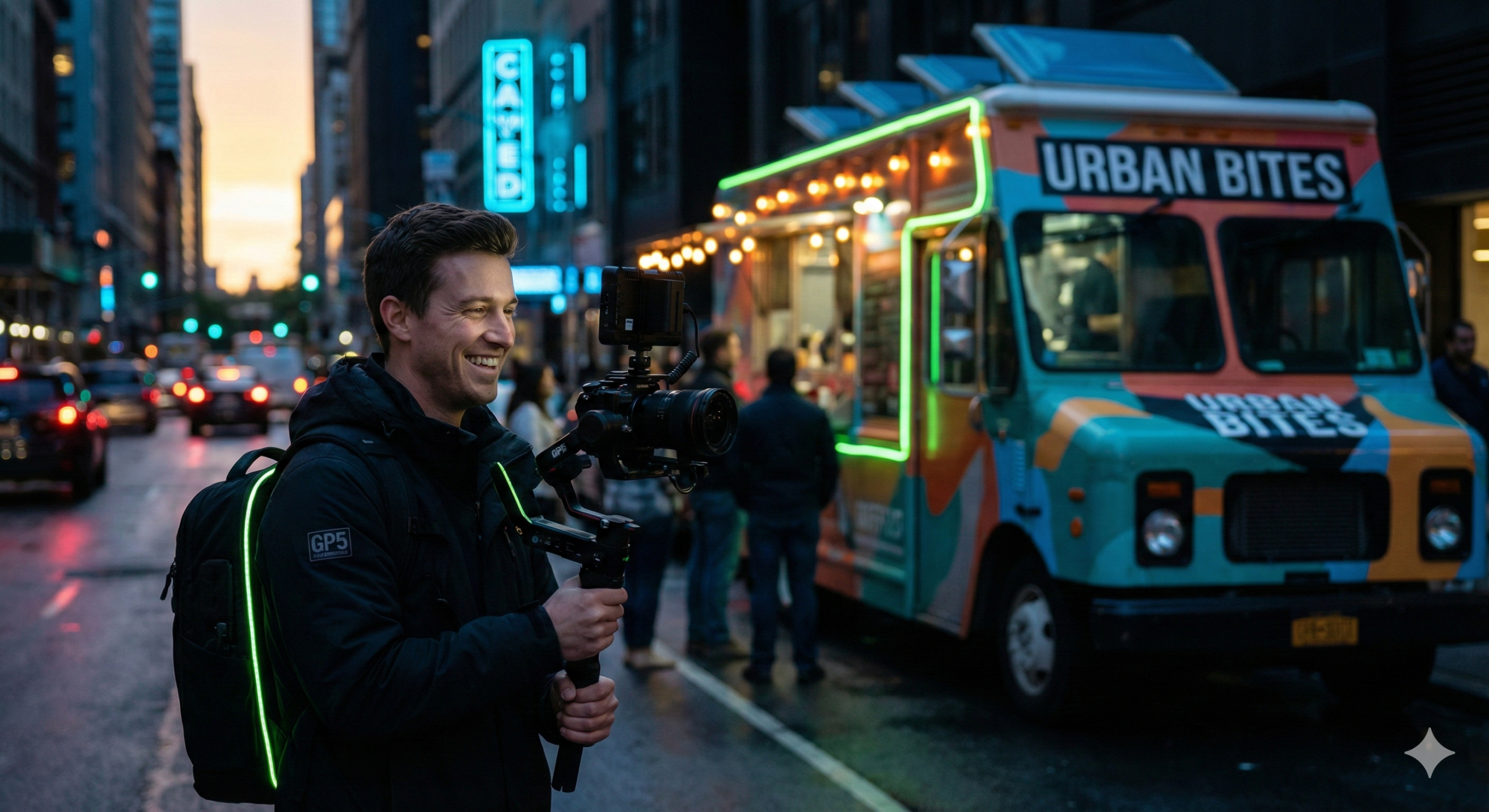
Starting with a series of nine viral videos about taco trucks, Pedro created a template for branded partnerships that would eventually land deals with Ford, Adobe, Kia, and even Warner Brothers. But the success wasn't just about viral views or clever product placement.
It was about understanding a principle that most brands still haven't figured out: the product should already fit naturally into the creator's content—not the other way around.
The Origin Story: From Hate to Tacos
The Taco Truck series didn't start as a branded content play. It started as revenge.
During his time hosting "Igual a Tres" (the Spanish version of Ray William Johnson's show), Pedro faced brutal backlash. Comments ranged from "you don't look Mexican" to accusations of having a fake accent. The criticism was relentless, daily, and deeply personal.
But instead of retreating, Pedro did something brilliant: he weaponized his critics' ammunition.
"I took all that hate and I wrote a script," he explains. The result became the most successful series of his career—more successful than even Chapulín, which had generated hundreds of millions of views.
The Taco Truck series leaned into everything people criticized: his identity, his accent, Mexican-American culture, and food. Nine videos later, he had created something brands couldn't ignore.
The Taco Truck Effect: 1 Truck to 7 Trucks
Here's where the story gets interesting for marketers.
The first taco truck featured in the series had one truck. One location. A small business trying to make it work.
Pedro is careful not to take all the credit—the business was already great. But the exposure was undeniable. When your taco truck is the center of a viral video campaign generating millions of views, people notice.
This wasn't traditional product placement. The taco truck wasn't a sponsor trying to force its way into content. It was the content. Characters interacted with it naturally. The story revolved around it organically. Viewers didn't feel advertised to—they felt entertained.
And that's when other brands started paying attention.
The Framework: Where Product Meets Content
Pedro's success with the Taco Truck series revealed a framework that would power his production company and attract major brand partnerships.
The Creator-Brand Fit Framework
Rule #1: The Product Must Already Fit
- Look for creators whose content naturally aligns with your product
- If you have to force the fit, you've already lost
- Authenticity can't be faked—audiences can smell it instantly
Rule #2: Don't Ask Creators to Change Their Format
- Successful creators have a format that works
- Your brand should enhance that format, not replace it
- Let the creator do what they do best
Rule #3: The Product Should Be Part of the Story
- Integration beats interruption every time
- Make your product essential to the narrative
- Characters should interact with it naturally
This framework is what allowed Pedro to approach brands like Gavilán (a major taco chain), Ford, Kia, and Adobe with confidence. He wasn't asking them to sponsor random content—he was showing them how their products already belonged in his videos.
The Skateboard Example
Pedro puts it simply: "If you're trying to sell skateboards, you're not gonna have a comedian trying to sell it. Get a skateboarder."
It sounds obvious, but brands violate this principle constantly:
The second creator might have fewer followers, but their audience is pre-qualified, engaged, and actually interested in productivity tools.
Case Study: The Major Brand Deals
Gavilán Restaurants
After the Taco Truck series proved the concept, Gavilán—a major taco chain—came calling. The partnership was natural: Pedro was already creating content about Mexican food, taco culture, and authentic cuisine. Gavilán didn't need to change anything about his format—they just needed to be part of it.
Ford & Kia
The automotive partnerships were equally organic. Pedro's content often featured transportation, movement, and urban culture. When Ford and Kia wanted to reach Latino audiences through authentic storytelling, Pedro's production company already had the infrastructure and audience trust to make it work.
Adobe
As a production company, Pedro's team used Adobe products daily. This partnership was perhaps the most natural of all—they were already power users creating professional content. Adobe wasn't asking them to fake expertise; they were recognizing existing mastery.
Warner Brothers: Project X
Then came Warner Brothers with a unique challenge: promote the movie "Project X" (about a party that gets out of control) in an authentic way.
The solution? Don't fake it.
Pedro's team threw an actual party—complete with three camera crews and real attendees. It was so realistic that security was tackling actors, thinking they were actual party crashers. The content felt authentic because it was authentic.
The Project X Numbers
Challenge: Create authentic promotional content for a party movie
Solution: Throw a real party, capture real chaos, create real content
Production: 3 camera crews, professional security, real attendees
Result: Content so realistic that security couldn't tell actors from crashers
The 1+1 Strategy: Managing Risk in Branded Content
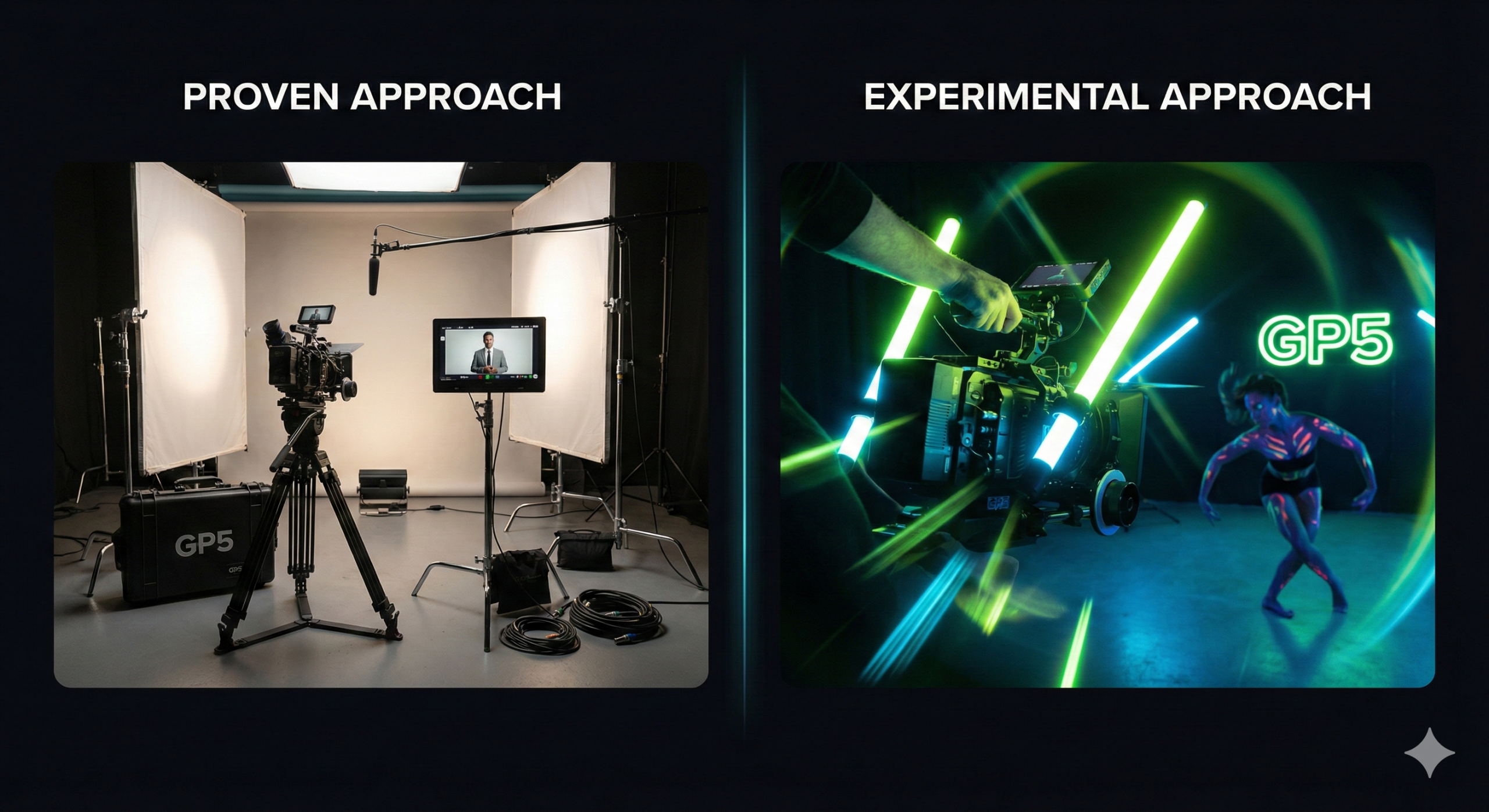
Here's where Pedro's approach gets even smarter. When working with new clients, he doesn't just experiment wildly. He uses what he calls the "1+1 strategy":
The 1+1 Strategy Explained
1 = One proven concept
Create one piece of content using a format that's already been tested and validated. This is your safe bet—you know it works, you know the audience responds, and you can predict the results.
+1 = One experimental concept
Create one piece of content trying something completely new. This is your innovation bet—it might hit big, or it might not resonate, but you're learning either way.
The Result: When you launch the campaign, the proven piece can support the experimental piece. If the experimental content hits, great—you've discovered something new. If it doesn't, you still have successful content from the proven piece.
This approach manages client expectations while still allowing for creative innovation. You're not betting everything on unproven concepts, but you're also not stagnating with only safe choices.
Why Most Branded Content Fails
With this framework in mind, it becomes clear why so much branded content falls flat. Here are the most common mistakes:
Mistake #1: Follower Count Over Content Fit
Brands chase creators with millions of followers whose content has nothing to do with their product. A fitness influencer promoting tax software. A gaming streamer selling skincare. The follower count looks impressive in the deck, but the audience isn't qualified.
Mistake #2: Over-Controlling the Creative
Brands hire creators for their authentic voice, then bury them in guidelines, scripts, and approval processes. The result? Content that sounds like a press release being read by someone pretending to be excited.
Mistake #3: One-Off Campaigns Without Integration
A single sponsored post in a creator's feed, completely disconnected from their usual content. Audiences scroll past it because it's obviously an ad, not part of the creator's actual narrative.
Mistake #4: Ignoring the Creator's Audience
Brands focus on their own messaging instead of understanding what the creator's audience actually cares about. The creator knows their audience better than you do—trust that.
Mistake #5: Treating It Like Traditional Advertising
Applying TV commercial thinking to creator content. Demanding specific shots, specific language, specific calls-to-action. This strips away the authenticity that made the creator successful in the first place.
The GP5 Approach: Applying This Framework
So how do you actually implement Pedro's framework in your brand partnerships?
Step 1: Audit Content Fit First, Audience Size Second
Before looking at follower counts, ask:
- Does this creator already create content related to our product category?
- Could our product naturally fit into their existing format?
- Do their audience demographics match our target customer?
- Is their engagement rate strong (>3% on most platforms)?
If you can't answer "yes" to at least three of these questions, move on to the next creator.
Step 2: Let Creators Pitch You
Instead of arriving with a fully baked campaign, share your goals and constraints, then ask the creator: "How would you integrate this into your content?"
They know their audience better than you do. They know what works. Give them creative freedom within your guidelines.
Step 3: Implement the 1+1 Strategy
Structure your first campaign with one proven format and one experimental approach. This manages risk while still allowing for breakthrough moments.
Step 4: Measure the Right Metrics
Stop obsessing over impressions and start tracking:
- Engagement rate: Are people actually interacting?
- Sentiment: What are they saying in comments?
- Traffic quality: Are site visitors from the campaign converting?
- Brand lift: Did awareness and consideration actually improve?
- Sales attribution: Can you track actual conversions?
Step 5: Build Long-Term Partnerships
The Taco Truck series worked because it was nine videos, not one. The relationship between creator and brand deepened over time. Audiences got comfortable with the integration. One-off campaigns rarely generate the same ROI as sustained partnerships.
The Production Company Pivot
Pedro's success with branded content eventually led him to start his own production company, taking everything he learned at Maker Studios and applying it to client work.
The advantage was clear: he wasn't just a creator doing brand deals on the side. He was running a full production operation capable of delivering broadcast-quality content for major brands.

This evolution from creator to production company is becoming increasingly common—and increasingly valuable for brands. Working with a creator-led production company gives you authentic voice combined with professional execution.
The Current Landscape: Why This Matters More Than Ever
In 2025, branded content isn't optional—it's essential. Traditional advertising is declining in effectiveness across every platform. Ad blockers are ubiquitous. Younger audiences skip, scroll, and ignore anything that feels like an ad.
But they'll watch nine videos about a taco truck if those videos are genuinely entertaining.
The brands winning right now are the ones who understand Pedro's framework:
- Find creators where your product naturally fits
- Let them tell stories in their authentic voice
- Integrate your brand into content, don't interrupt it
- Build sustained partnerships, not one-off campaigns
- Measure what matters, not just impressions
Ready to Build Branded Content That Actually Works?
GP5 helps brands create authentic partnerships with creators that drive real business results—not just vanity metrics.
Let's Discuss Your StrategyThe Final Lesson: Authenticity Can't Be Faked
The reason the Taco Truck series worked wasn't clever marketing tactics or big budgets. It worked because Pedro was genuinely creating content about something he cared about, attracting brands that naturally fit that content.
You can't fake authenticity. Audiences can tell when a creator is genuinely passionate about something versus when they're reading from a script for a paycheck.
The brands that understand this—the ones willing to find the right creators instead of the biggest creators, the ones willing to give creative freedom, the ones willing to build sustained partnerships—those are the brands winning the attention economy.
Because at the end of the day, people don't want to watch ads. They want to watch content they enjoy.
Your job as a brand is to become part of that content, not interrupt it.
And if you can do that—if you can find the skateboarding creator for your skateboards, the taco truck series for your restaurant chain, the productivity YouTuber for your software—then you're not just advertising anymore.
You're creating entertainment that people actually want to watch.
That's the framework. That's the strategy. That's how one creator turned nine videos about taco trucks into deals with Ford and Warner Brothers.
The question is: are you ready to apply it?
This article is based on insights from the Brand Ventures podcast featuring Pedro Flores, whose content has generated over 1 billion views and led to partnerships with Warner Brothers, Ford, Adobe, Kia, and other major brands.